

Blog
Brake pad bed-in: the 20-stop method that actually works

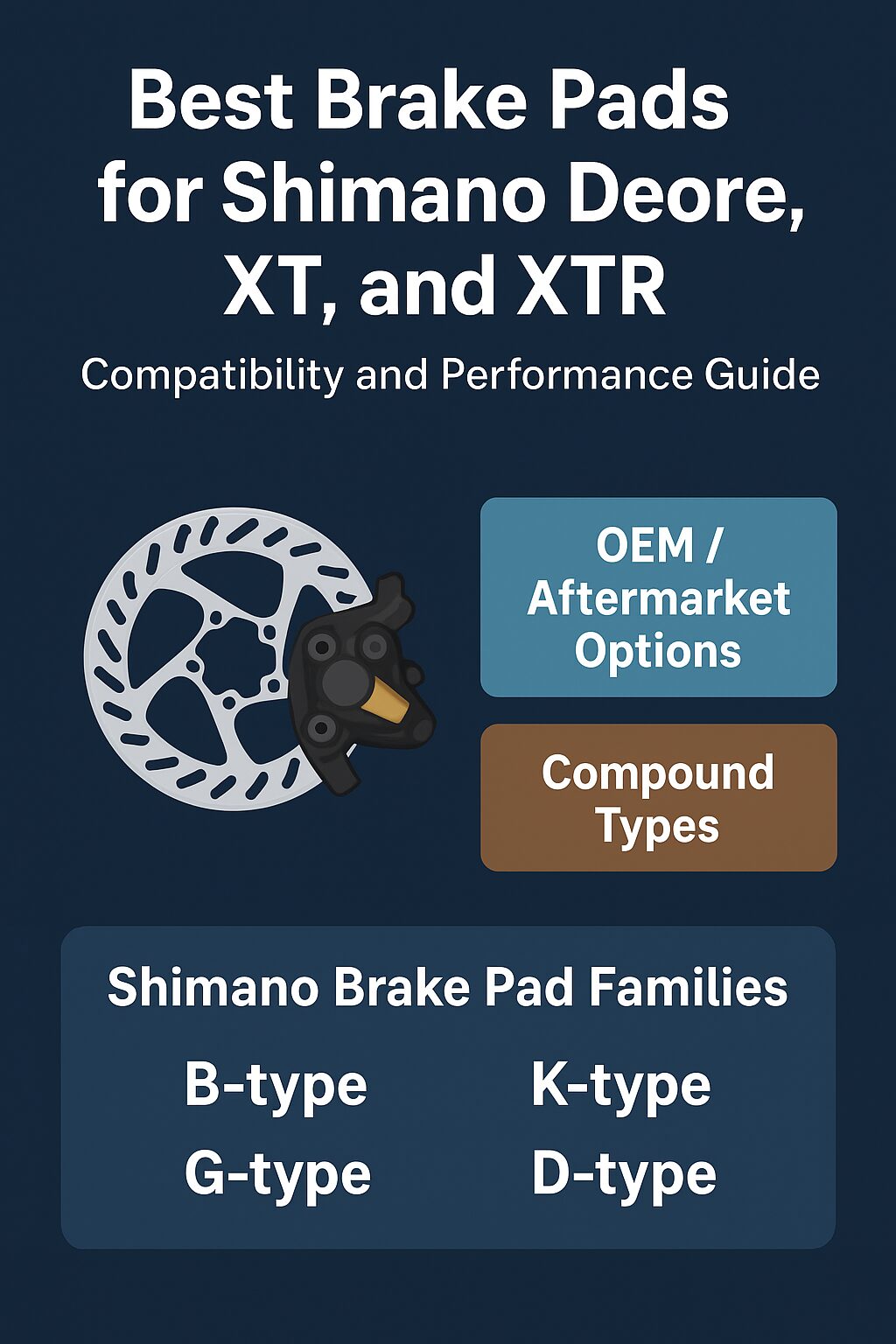
You just installed brand new brake pads on your bike. They look perfect, everything feels tight, and you're ready to ride. But here's what most riders don't know: your brakes are currently operating at about 60% of their potential power.
Until you properly bed in those new pads, you're missing out on the full stopping power, experiencing inconsistent braking feel, and setting yourself up for potential squealing issues down the road.
This comprehensive guide explains exactly what brake pad bed-in is, why it's absolutely mandatory (not optional), and provides the precise 20-stop procedure that will unlock your brakes' full potential in under 15 minutes.
What is brake pad bed-in? The science explained
Brake pad bed-in (also called burnishing or break-in) is the controlled process of depositing a thin, even layer of friction material from your brake pad onto the rotor surface. This creates what scientists call a “transfer layer” or “friction film.”
The transfer layer: why it matters
When you apply your brakes, you’re not actually creating friction between the brake pad and the metal rotor. Instead, you’re creating friction between:
- Pad material → Transfer layer on rotor → Rotor metal
The transfer layer forms through thermal decomposition – microscopic amounts of pad material are heated to temperatures exceeding 1,500°F at contact points, causing the material to break down and bond to the rotor surface.
Without a proper transfer layer:
- Friction coefficient is inconsistent (unpredictable braking)
- Initial bite feels weak or “wooden”
- Squealing and noise are common
- Pad wear rate increases by 30-50%
- Rotor can develop uneven hot spots
With a proper transfer layer:
- Consistent, powerful braking from the first lever pull
- Smooth modulation throughout the stroke
- Silent operation (no squeal)
- Maximum pad lifespan
- Even rotor wear
What happens during bed-in: the microscopic view
The bed-in process works through controlled thermal cycles:
Phase 1 – Surface preparation (first 5-10 stops)
- Light braking heats the pad surface to 300-400°F
- Surface contaminants and protective coatings burn off
- Microscopic high points on the pad begin to contact the rotor
- Initial material transfer begins
Phase 2 – Transfer layer formation (stops 10-15)
- Moderate braking increases temperatures to 500-700°F
- Pad material undergoes thermal decomposition, releasing compounds that bond to the rotor
- Transfer layer begins to form evenly across rotor surface
- Friction coefficient starts to stabilize
Phase 3 – Layer consolidation (final 5-10 stops)
- Firmer braking reaches 800-900°F at the interface
- Transfer layer becomes continuous and stable
- Material compacts into a durable friction surface
- Pads and rotor achieve optimal mating
Cool-down phase (critical final step)
- Rotor temperature drops while transfer layer sets
- Material bonds crystallize and strengthen
- Friction coefficient stabilizes at final value
Why skipping bed-in ruins your brakes
Many riders install new pads and immediately hit the trails without bedding them in. This is one of the most common and costly mistakes in bike maintenance.
Problem 1: Glazing (the instant killer)
If you apply heavy braking force before completing proper bed-in, the pad surface instantly overheats and forms a hard, glassy layer called glazing.
What causes glazing:
- One hard brake application before bed-in is complete
- Coming to a complete stop with hot brakes (traps heat in one spot)
- Emergency braking on un-bedded pads
- Dragging brakes down a long descent before bed-in
Symptoms of glazed pads:
- Shiny, crystalline appearance on pad surface
- Significant loss of braking power (40-50% reduction)
- Loud squealing or honking noise
- Brake lever feels “wooden” with no modulation
The fix: Sand pads with 120-grit sandpaper to remove glazed layer, clean rotor thoroughly, and restart bed-in procedure from scratch.
Problem 2: Uneven transfer layer (the vibration creator)
If you bed in pads incorrectly by locking wheels or stopping completely, pad material deposits unevenly on the rotor, creating thick spots that cause pulsing and vibration.
What causes uneven transfer:
- Stopping completely while brakes are hot
- Locking the wheel during bed-in
- Inconsistent brake pressure during procedure
- Not allowing cooling time between stops
Symptoms of uneven transfer:
- Pulsing sensation through brake lever
- Speed-dependent vibration (worse at certain speeds)
- Rotor appears to have light and dark patches
- Inconsistent braking power
The fix: Sand the rotor with fine sandpaper to remove uneven deposits, or in severe cases, replace the rotor entirely.
Problem 3: Premature pad wear
Un-bedded brake pads wear 30-50% faster than properly bedded pads because the friction interface is inconsistent, causing abrasive wear instead of controlled adhesive friction.
Problem 4: Brake noise
Most brake squeal issues stem from improper or non-existent bed-in procedures. The transfer layer acts as a dampening interface that reduces vibration-induced noise.
The definitive 20-stop bed-in procedure
This procedure has been tested and refined based on recommendations from major brake manufacturers (SRAM, Shimano, Magura, TRP, Hayes) and adjusted for optimal real-world results.
Total time required: 12-15 minutes Location required: Safe area with ~100 meters of clear space (empty parking lot, quiet road, or gradual descent) Tools needed: None (just your bike)
Critical pre-bed-in preparation
Before starting the procedure, you MUST complete these preparation steps:
- Clean the rotor thoroughly
- Use 90%+ isopropyl alcohol and a clean rag
- Wipe both sides of rotor until rag comes away completely clean
- Let air dry (don’t wipe with a potentially contaminated towel)
- Do NOT touch rotor or pad surfaces
- Oil from your skin will contaminate pads instantly
- Handle rotor by edges only
- Never touch the friction surface of pads
- Verify caliper alignment
- Spin the wheel – it should rotate freely with no rubbing
- If rotor rubs, center the caliper before proceeding
- Uneven pad contact will ruin the bed-in process
- Check brake lever feel
- Lever should feel firm, not spongy
- If spongy, bleed brakes before bed-in
- Air in the system prevents proper pressure application
Phase 1: Gentle warm-up (5 repetitions per brake)
This phase prepares the pad surface and begins initial heat cycling.
Speed: 12-15 mph (20-25 km/h) Brake pressure: Light to moderate (30-40% of max power) Stopping point: Slow to walking pace, do NOT stop completely Cooling time: 30 seconds between each repetition Which brake: Do front brake first, then rear brake separately
Step-by-step:
- Accelerate to 12-15 mph on level ground
- Apply ONLY the front brake gently but steadily
- Slow down to walking pace (~2-3 mph)
- Release brake before stopping completely
- Coast or pedal easily for 30 seconds (cooling period)
- Repeat 5 times total for front brake
- Perform same procedure for rear brake (5 repetitions)
What should happen:
- Brakes should feel gradually more responsive with each stop
- No noise should occur
- Rotor should not feel excessively hot to touch (warm is OK)
Red flags to stop and restart:
- Loud squealing on first application (contamination – clean and restart)
- Smoke coming from caliper (too much pressure – reduce power)
- Brake lever becomes spongy (air in system – bleed first)
Phase 2: Transfer layer building (10 repetitions, both brakes)
This is the critical phase where the transfer layer forms on the rotor.
Speed: 18-22 mph (30-35 km/h) Brake pressure: Moderate to firm (60-70% of max power) Stopping point: Slow to walking pace, do NOT stop completely Cooling time: 20 seconds between repetitions Which brake: Both brakes simultaneously
Step-by-step:
- Accelerate to 18-22 mph
- Apply BOTH brakes together with firm, steady pressure
- Feel the bike slow down smoothly and consistently
- Release brakes at walking pace (~2-3 mph)
- Coast or pedal lightly for 20 seconds
- Repeat 10 times total
What should happen:
- Braking power should noticeably increase with each stop
- Brakes should feel progressively more “locked in” and responsive
- Slight rotor heating is normal (will be warm but not painfully hot)
- No noise or vibration
Critical mistakes to avoid:
- ❌ Locking either wheel (causes uneven transfer)
- ❌ Stopping completely before releasing brakes (deposits extra material in one spot)
- ❌ Skipping cooling periods (leads to overheating)
- ❌ Inconsistent brake pressure (uneven transfer layer)
Phase 3: Final heat cycle (5 repetitions, both brakes)
This phase consolidates the transfer layer and maximizes friction coefficient.
Speed: 22-25 mph (35-40 km/h) Brake pressure: Firm to hard (75-85% of max power – close to trail braking intensity) Stopping point: Nearly stopped but still rolling Cooling time: 15 seconds between repetitions Which brake: Both brakes simultaneously
Step-by-step:
- Accelerate to 22-25 mph (faster than Phase 2)
- Apply BOTH brakes firmly – this should feel like hard trail braking
- Slow quickly but smoothly to near-stop (1-2 mph)
- Release brakes while still rolling
- Coast or pedal lightly for 15 seconds
- Repeat 5 times total
What should happen:
- Brakes should feel powerful and “grabby” by the end
- Rotor will be hot (this is expected and necessary)
- Braking should feel completely consistent
- No fading sensation as stops progress
Important: Do NOT lock wheels or activate ABS (if equipped). If you feel the wheel starting to skid, reduce pressure slightly.
Phase 4: Cool-down (CRITICAL – do not skip)
This is arguably the most important phase that many riders skip.
Duration: 5-10 minutes of easy riding Brake use: Minimal to none Goal: Allow rotor to cool naturally while transfer layer sets
Step-by-step:
- After your last hard stop, continue riding gently
- Avoid using brakes AT ALL if possible
- If you must brake, use the absolute minimum pressure needed
- Ride on flat or slightly uphill terrain
- After 5-10 minutes, your brakes are ready for normal use
Why this matters: The transfer layer needs to cool slowly while in contact with the rotor to create strong molecular bonds. If you apply heavy braking immediately after bed-in, the incompletely set transfer layer can be disrupted or removed.
How to know if bed-in was successful
After completing the procedure, your brakes should exhibit these characteristics:
Visual inspection
Check the rotor:
- Surface should have a uniform, slightly matte gray color
- No shiny spots or glazed areas
- No visible discoloration patterns (rainbow effect indicates overheating)
- No distinct light/dark patches (indicates uneven transfer)
Check the pads:
- Friction surface should be slightly darker than new pads
- Surface should be uniform, not shiny or crystalline
- Edges should be slightly beveled from contact
- No obvious glazing or discoloration
Performance test
Perform these tests after cool-down:
Power test: From 15 mph, apply moderate brake pressure. Brakes should feel noticeably more powerful than they did before bed-in. You should be able to stop from 15 mph in approximately 15-20 feet.
Modulation test: Apply brakes gently and progressively increase pressure. You should feel smooth, linear power increase with no dead spots or sudden grabs.
Noise test: Brakes should be completely silent during moderate braking. Some very light noise during the first brake application of the day is acceptable.
Consistency test: Do 5 consecutive stops from 15 mph with moderate pressure. All 5 should feel identical. No fading, no power loss, no variation.
If any of these tests fail, the bed-in was incomplete or incorrect. You may need to repeat the procedure.
Troubleshooting: when bed-in goes wrong
Issue: Brakes squeal after bed-in
Possible causes:
- Rotor contamination before bed-in (chain lube, fingerprints)
- Pads were contaminated during installation
- Caliper misalignment causing uneven contact
- Wrong compound for your rotor type
Solutions:
- Clean rotor thoroughly with brake cleaner (not just isopropyl alcohol)
- Sand pads lightly with 120-grit sandpaper
- Re-center caliper precisely
- Repeat bed-in procedure
If squeal persists: Pads may be contaminated beyond recovery and require replacement.
Issue: Braking power didn’t improve
Possible causes:
- Didn’t reach adequate speeds or brake pressures
- Cooling periods were too short (pads overheated)
- Air in hydraulic system reducing effective pressure
- Bed-in done on downhill (can’t control temperature properly)
Solutions:
- Verify brake lever is firm (bleed if spongy)
- Repeat procedure on flat ground with proper cooling
- Ensure you’re actually reaching the specified speeds
- Increase brake pressure if you were being too gentle
Issue: Pulsing or vibration through lever
Cause: Uneven transfer layer deposited on rotor.
Solution:
- Use fine sandpaper (220-grit) to resurface rotor evenly
- Clean rotor thoroughly
- Repeat bed-in procedure, being very careful not to stop completely
Issue: Brakes feel great initially but fade quickly
Cause: Pads glazed during bed-in (too much heat too quickly).
Solution:
- Remove pads and sand friction surface with 120-grit
- Clean rotor with brake cleaner
- Repeat bed-in procedure with longer cooling periods
- Reduce brake pressure in Phase 3 if pads are organic compound
Issue: One brake bedded in fine, the other didn’t
Cause: Most commonly, the rear brake receives less pressure naturally, so it didn’t heat enough.
Solution:
- Repeat Phase 1 and 2 for the rear brake only
- Focus on applying equal pressure to both levers
- Consider doing rear brake bed-in on a slight uphill to shift weight back
Bed-in procedures by brake pad compound
Different pad materials require slightly different bed-in approaches for optimal results.
Organic / Resin pads (softer, quieter)
Examples: Shimano B01S, G03S, L03A, SRAM Organic
Bed-in characteristics:
- Bed in quickly (usually achieve full power by stop 12-15)
- Lower temperature tolerance (don’t overheat)
- Easier to glaze if you apply too much pressure too soon
Modified procedure:
- Use LOWER brake pressures throughout (50% in Phase 2, 70% in Phase 3)
- INCREASE cooling time (35 seconds in Phase 1, 25 seconds in Phase 2)
- Total time: 15-18 minutes (longer cooling periods)
Signs it’s working: Braking power increases noticeably even in Phase 1.
Sintered / Metallic pads (harder, longer-lasting)
Examples: Shimano B05S, G04S, D02S, SRAM Metallic
Bed-in characteristics:
- Require more heat cycles to bed in fully (20-30 stops)
- Can handle higher temperatures without glazing
- Take longer to reach full performance
Modified procedure:
- Use HIGHER brake pressures (70% in Phase 2, 85-90% in Phase 3)
- Can reduce cooling times slightly (25 seconds Phase 1, 15 seconds Phase 2)
- Consider adding 5 extra stops to Phase 2 (15 total instead of 10)
- Total time: 12-15 minutes (standard timing works)
Signs it’s working: Power increases gradually but consistently throughout entire procedure.
Ceramic pads (balanced performance)
Examples: Aftermarket ceramic compounds (Hardheaded Ram, EBC, Galfer)
Bed-in characteristics:
- Middle ground between organic and sintered
- Excellent temperature stability
- May require slightly longer procedure than organic
Modified procedure:
- Use STANDARD pressures as outlined in main procedure
- Standard cooling times work well
- Total time: 15 minutes (standard procedure)
Signs it’s working: Smooth, linear power increase with excellent modulation from early in procedure.
Brand-specific bed-in recommendations
Major brake manufacturers have their own bed-in procedures. Here’s what they officially recommend:
SRAM / Avid brakes
Official procedure: 20-30 stops from moderate speed, slowing to walking pace without complete stops
Real-world notes:
- SRAM brakes respond well to the 20-stop procedure outlined above
- Code RSC and Maven brakes may need 25-30 stops due to 4-piston design
- Level brakes (2-piston) bed in quickly with standard procedure
Shimano brakes
Official procedure: “Perform bedding procedure before use. Accelerate and decelerate repeatedly about 20-30 times without causing the disc brake pads to lock.”
Real-world notes:
- Shimano doesn’t specify exact speeds or pressures
- The 20-stop procedure above works perfectly for all Shimano brakes
- Ice Tech pads may benefit from 5 extra stops (25 total)
- XTR brakes bed in noticeably faster than Deore (higher quality pads)
Magura brakes
Official procedure: Unlike other brands, Magura recommends bringing the bike to a complete stop during bed-in, repeating at least 30 times from 30 km/h (18 mph)
Real-world notes:
- Magura’s recommendation is controversial (can cause uneven transfer)
- Many mechanics report better results NOT stopping completely
- MT5 and MT7 brakes are very powerful – use caution with brake pressure
TRP brakes
Official procedure: 15-20 slows from moderate speed, then 10-15 slows from higher speed
Real-world notes:
- TRP procedure aligns well with our 3-phase method
- DH-R EVO brakes need the full 30 stops due to 4-piston design
- Slate brakes (gravel) bed in quickly with organic pads
Hayes brakes
Official procedure: Basic procedure repeated 50 times, keeping speeds to 15 mph or less throughout
Real-world notes:
- 50 reps is excessive for most riders
- 25-30 stops with proper technique works well
- Dominion A4 brakes are very powerful – easy to overheat pads if not careful
Hope brakes
Official procedure: Hope doesn’t provide specific numbers, just recommends slowing without stopping until brakes reach full potential.
Real-world notes:
- Standard 20-stop procedure works excellent for all Hope brakes
- E4 brakes bed in noticeably faster (15 stops often sufficient)
- Tech 3/Tech 4 need full 20-25 stops
When to re-bed-in brakes
You don’t need to bed in brakes every time you touch them, but certain situations require repeating the procedure.
Always bed in after:
Installing new brake pads
- Fresh pads have never created a transfer layer
- Even if old pads were properly bedded, new ones need their own procedure
Installing new rotors
- New rotors have protective coatings and machining oil
- No transfer layer exists yet
- Even with old pads, you need to establish new transfer layer
Replacing both pads and rotors simultaneously
- Double the reason to bed in properly
- Take extra care with preparation (cleaning especially important)
After removing and reinstalling existing pads
- Transfer layer can be partially disrupted during removal
- Quick 10-stop procedure is sufficient (not full 20)
Consider bed-in after:
Contamination event that required cleaning
- If you had to clean pads/rotors due to oil contamination
- After sanding glazed pads
- Quick 15-stop procedure recommended
Long storage period (6+ months)
- Transfer layer can degrade over time
- Light surface oxidation on rotor
- Quick 10-15 stop refresh is beneficial
Switching between bikes (if you moved wheels/brakes)
- Slight differences in alignment can affect transfer layer
- 5-10 stop refresh helps re-establish optimal contact
Don’t need to bed in after:
Removing wheels for transport
- Transfer layer remains intact
- Just verify caliper alignment when reinstalling
Routine maintenance that didn’t involve pads/rotors
- Bleeding brakes doesn’t affect transfer layer
- Lever service doesn’t require bed-in
Brake caliper adjustment
- Re-centering caliper doesn’t disrupt transfer layer
- Just verify no rubbing after adjustment
Bed-in for different riding disciplines
While the core procedure remains the same, different types of riding benefit from slight modifications.
Cross-country (XC) and marathon
Typical setup: 2-piston brakes, 160mm rotors, organic or sintered pads
Bed-in priority: Modulation and consistency over maximum power
Recommended approach:
- Use standard 20-stop procedure
- Emphasis on smooth, controlled stops (don’t use maximum pressure)
- XC riders rarely brake hard, so bed-in to match riding style
- Can use slightly lower pressures in Phase 3 (70% instead of 85%)
Special consideration: If racing, bed in pads at least 2 days before race to ensure transfer layer is fully stable.
Trail and all-mountain
Typical setup: 2-piston or 4-piston brakes, 180-200mm rotors, sintered pads
Bed-in priority: Balance of power and modulation for varied terrain
Recommended approach:
- Standard 20-stop procedure is perfect for trail riding
- Use full brake pressures as specified
- Consider 25 stops if running 4-piston brakes
- Test on actual trail conditions after procedure to verify
Special consideration: Trail riders encounter the widest range of braking scenarios, so proper bed-in is especially critical.
Enduro and downhill
Typical setup: 4-piston brakes, 200-220mm rotors, sintered or finned pads
Bed-in priority: Maximum power and heat resistance
Recommended approach:
- Extended procedure: 25-30 stops total
- Use maximum pressures (80-90% in Phase 3)
- If possible, do final 5-10 stops on actual downhill terrain
- Longer cooling periods to prevent overheating (25-30 seconds)
Special consideration: DH brake pads handle extreme temperatures. The bed-in needs to establish transfer layer that won’t fail under intense heat.
E-bikes (especially 60+ lbs systems)
Typical setup: 4-piston brakes, 180-203mm rotors, sintered pads (often higher-spec)
Bed-in priority: Consistent power with excellent heat management
Recommended approach:
- Extended 25-30 stop procedure
- Higher speeds in Phase 2 and 3 (to simulate heavier bike weight)
- Focus on longer, sustained brake applications vs quick pulses
- Extra cooling time between stops (heavy bikes generate more heat)
Special consideration: E-bikes put significantly more stress on brakes. The transfer layer needs to be extremely durable. Consider using pads with copper fiber backing for better heat dissipation.
Gravel and road disc
Typical setup: 2-piston brakes, 140-160mm rotors, organic pads
Bed-in priority: Silent operation and smooth modulation
Recommended approach:
- Standard 20-stop procedure
- Lower brake pressures throughout (road brakes don’t need extreme power)
- Emphasis on complete silence (any squeal is unacceptable for road riding)
- Can use slightly shorter cooling periods (road brakes don’t get as hot)
Special consideration: Road and gravel riders are very sensitive to noise. Extra-thorough rotor cleaning before bed-in is critical.
Advanced bed-in tips from professional mechanics
These insights come from World Cup mechanics and professional bike shop technicians.
The “pre-bed sand” technique
What it is: Lightly sanding the pad surface with 220-grit sandpaper before installation.
Why it works: Removes factory protective coatings and creates micro-roughness that speeds initial transfer layer formation.
How to do it:
- Remove pads from package
- Lightly sand friction surface in straight lines (not circles)
- Just 4-5 passes – don’t remove significant material
- Blow off dust with compressed air
- Install and bed in normally
Result: Reduces bed-in time by ~20% and can improve final performance.
The “wet pad” method
What it is: Wetting pads with clean water before beginning bed-in.
Why it works: Water creates a slurry effect that helps distribute pad material more evenly during initial contact.
How to do it:
- After installing pads, squirt clean water from bottle onto rotor
- Squeeze brake lever to wet pads
- Immediately begin Phase 1 of bed-in procedure
- Pads will dry quickly from braking heat
Controversy: This method is debated – brake manufacturers typically don’t recommend it in official documentation.
When to use: Organic pads seem to benefit more than sintered. Best for riders experiencing chronic squealing issues.
The “temperature gun” method
What it is: Using an infrared temperature gun to monitor rotor temperature during bed-in.
Why it works: Takes the guesswork out of whether you’re generating adequate heat.
Target temperatures:
- End of Phase 1: 300-350°F (149-177°C)
- End of Phase 2: 500-600°F (260-315°C)
- End of Phase 3: 650-800°F (343-427°C)
How to use:
- Point IR gun at rotor surface immediately after each stop
- Verify temperature is increasing with each phase
- If temperatures plateau too low, increase brake pressure
- If temperatures exceed 900°F, reduce pressure and extend cooling
Pro tip: Different pad compounds reach optimal bed-in at different temperatures. Organic pads bed best at lower temps (500-650°F), sintered at higher (650-850°F).
Advanced bed-in tips from professional mechanics
Once you’ve properly bedded your brakes, protect that investment with these maintenance practices.
Contamination prevention (the #1 killer)
During bike washing:
- Cover disc brakes with plastic bags before using any chemicals
- Never spray degreaser anywhere near rotors
- Wipe chain lube drips immediately
During maintenance:
- Always work on drivetrain with bike positioned so chain lube can’t reach rotors
- Use drip-on chain lube, never spray
- Wear nitrile gloves when handling rotors or pads
During storage:
- Store bike where rotors won’t collect dust or be touched
- If transporting in vehicle, position bike so rotors face away from gear/cargo
- Consider rotor covers for long-term storage
Periodic rotor cleaning
Frequency: Every 2-4 weeks depending on conditions
Method:
- Remove wheel from bike
- Clean both sides of rotor with isopropyl alcohol
- Use clean section of rag for each wipe
- Let air dry before reinstalling
Why it matters: Regular cleaning prevents contamination from building up and eventually saturating pads.
Brake performance monitoring
Monthly quick test: From 15 mph, apply moderate brake pressure and count how many seconds to stop. Record this number. If it increases by more than 30%, your brakes need attention (cleaning, pad replacement, or re-bed).
Listen for changes:
- New squealing that wasn’t there before = contamination or pad wear
- Grinding noise = pads completely worn, STOP RIDING
- Silence continuing = good sign, proper bed-in holding up
FAQ: Common bed-in questions answered
Q: Can I just ride normally and let the pads bed in “naturally”?
A: Technically yes, but it will take much longer (several rides) and almost certainly won’t happen evenly. The result is typically 70-80% of optimal performance with potential for squealing and uneven pad wear. The 15 minutes spent doing proper bed-in saves hours of frustration later.
Q: What if I don’t have a safe area to do 20 stops?
A: Find a quiet parking lot, industrial area on weekend, or wide bike path with no traffic. If absolutely impossible, the minimum acceptable procedure is:
- 10 stops at moderate pressure (Phase 1 + partial Phase 2)
- 5-7 stops at firm pressure (Phase 3)
- Then ride very cautiously, avoiding hard braking for first 2-3 rides
This isn’t ideal but better than nothing.
Q: Do I need to bed in brakes separately (front then rear) or together?
A: Phase 1 should be done separately to establish even initial contact. Phase 2 and 3 should use both brakes together – this mimics real-world riding and ensures balanced bed-in.
Q: Can I bed in new pads with an old rotor?
A: Yes, absolutely. Just clean the old rotor thoroughly first. The existing transfer layer will be partially removed/replaced with new material from the fresh pads.
Q: Can I bed in new rotors with old pads that are still thick enough?
A: Yes, but clean the old pads with isopropyl alcohol first. The existing pad material will create new transfer layer on the fresh rotor. A 15-20 stop procedure is sufficient.
Q: What if it starts raining during bed-in?
A: Stop the procedure. Water on rotors during bed-in can cause uneven transfer. Wait for conditions to dry, clean rotors again, and restart. The initial stops you already did won’t hurt anything.
Q: My brakes still squeal after perfect bed-in. What’s wrong?
A: This indicates contamination that occurred BEFORE bed-in (chain lube on rotor, fingerprints on pads, etc.). You’ll need to clean rotors thoroughly, sand pads to expose fresh material, and restart bed-in procedure.
Q: How long does the transfer layer last?
A: A properly established transfer layer lasts the entire life of the pads and rotor, assuming no contamination occurs. Normal riding gradually wears pads and rotors together while maintaining the friction interface.
Q: Can I use the same procedure for hydraulic and cable-actuated disc brakes?
A: Yes. The physical process of creating a transfer layer is identical regardless of actuation method. Cable disc brakes may require slightly firmer lever pressure to achieve the same brake force.
Conclusion: 15 minutes that transform your braking
Brake pad bed-in is the single most important procedure that most riders skip or do incorrectly. The difference between properly bedded and un-bedded brakes is dramatic:
Un-bedded brakes:
- 60-70% of potential stopping power
- Inconsistent lever feel and modulation
- Prone to squealing and noise
- Shorter pad lifespan
Properly bedded brakes:
- 100% stopping power from day one
- Smooth, predictable modulation
- Silent operation
- Maximum pad durability
The 20-stop procedure outlined in this guide takes just 15 minutes but delivers a transformation in brake performance that lasts the entire life of your pads. Whether you’re running budget organic pads or premium sintered compounds with copper fiber, proper bed-in is the difference between frustrating brakes and confidence-inspiring stopping power.
Key takeaways to remember:
- Bed-in is mandatory, not optional – even premium pads need proper procedure
- Never skip the cool-down phase – this is when the transfer layer sets permanently
- Clean everything first – contamination before bed-in ruins everything
- Don’t stop completely during procedure – stopping deposits extra material in one spot
- Different compounds need different approaches – organic needs gentler treatment than sintered
- Proper bed-in prevents 80% of brake squeal issues – most noise problems stem from skipped or incorrect bed-in
If you follow this procedure exactly, your brakes will reward you with powerful, consistent, silent stopping for the entire life of your pads.
Looking for brake pads designed to bed in perfectly? Hardheaded Ram brake pads feature copper fiber for superior heat management and Kevlar for vibration dampening – materials that create stable, consistent transfer layers during bed-in. Free same-day shipping from our Los Angeles warehouse. Shop premium brake pads →
Table of Contents
Toggle